
The New Zealand Olive Industry
The New Zealand olive industry is small and young in comparison to the vast global industry, which is centuries old and steeped in rich tradition and history.
Our EVOO production stands apart as a small-scale, premium contributor within a global commodity market. Rather than competing on price or volume with the large producers of the Mediterranean and Europe, our oils shine for their boutique nature. New Zealand’s EVOO is rich in character, freshness, and quality.
A Short History
The European olive tree (Olea europaea) has been cultivated for over 6,000 years. Revered for its endurance, it thrives in hot summers and survives long dry spells, living for centuries and regenerating from its roots. Used for food, medicine, rituals, and cosmetics, the olive tree is a global symbol of peace and prosperity—and a cornerstone of sustainable agriculture.
Its journey began in the Eastern Mediterranean and spread across Europe, North Africa, and the Americas through the movements of Phoenicians, Greeks, Romans, and Spanish explorers.
Olive trees arrived in New Zealand with European settlers in the 1830s. Early plantings flourished in Akaroa, Waitangi, and Auckland, with some trees still thriving today. The modern industry took root in the 1990s, thanks to pioneers such as Gidon Blumenfeld and Mike Ponder, who believed in the crop’s potential. Their vision sparked a nationwide surge, with over 200,000 trees planted and a new generation of producers emerging.
Though not all groves endured—some were replaced by higher-yielding crops or unsuitable varieties removed—the momentum sparked a new era for New Zealand’s olive industry, laying the foundation for the boutique, high-quality production we see today.
Characteristics of the Olive Growing Sector
Globally, the extra virgin olive oil trade was worth USD $8.59 billion in 2023. New Zealand imported USD $12.6 million worth of olive oil from countries such as Tunisia, Spain, Italy, and Australia, which accounts for more than 90% of EVOO consumed locally. New Zealand’s annual consumption is approximately 4 million litres, and demand for locally produced EVOO now outstrips supply as consumers become more aware of the health benefits of regularly consuming fresh, high-quality EVOO.
The New Zealand olive industry encompasses approximately 300,000 productive olive trees grown across 300 groves. Annual production ranges from 150,000 to 250,000 litres depending on the season. New Zealand predominantly produces only extra virgin olive oil, with over 99% of oils submitted for certification meeting strict standards. Locally produced EVOO accounts for less than 10% of the total olive oil consumed in New Zealand.
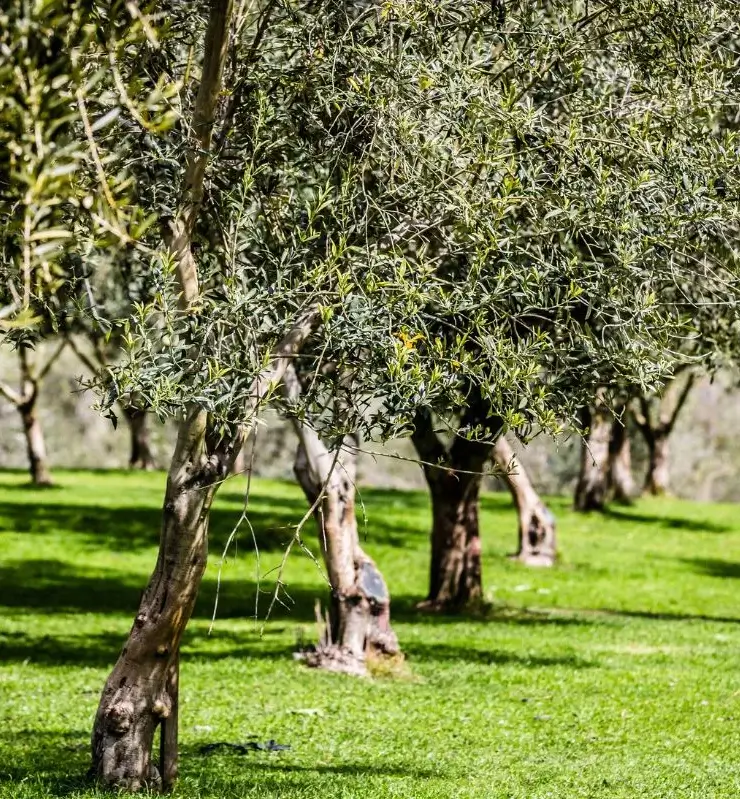
Groves are situated throughout the country, with the main growing regions being Northland, Auckland, Waiheke Island, Hawke’s Bay, Wairarapa, Kapiti, Nelson, Marlborough, Canterbury, and Central Otago. Ranging in size from a few trees in home gardens to 20,000 trees, the majority of commercial groves have between 500–1,500 trees.
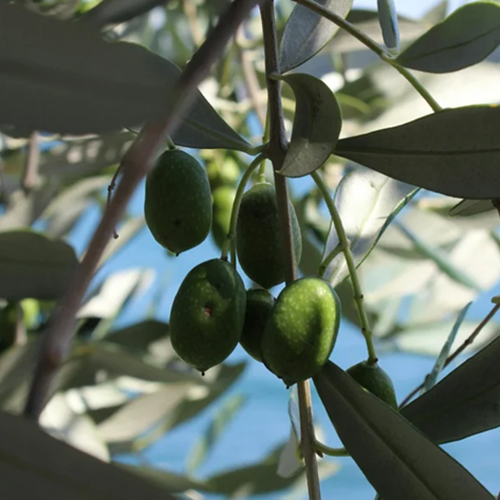
The varieties of olive trees originate from all the main growing regions of the world, including Italy, Spain, France, Israel, and Greece. The four most common varieties in New Zealand are Frantoio, Leccino, Koroneiki, and Barnea. Some varieties perform better in certain regions depending on the climate.
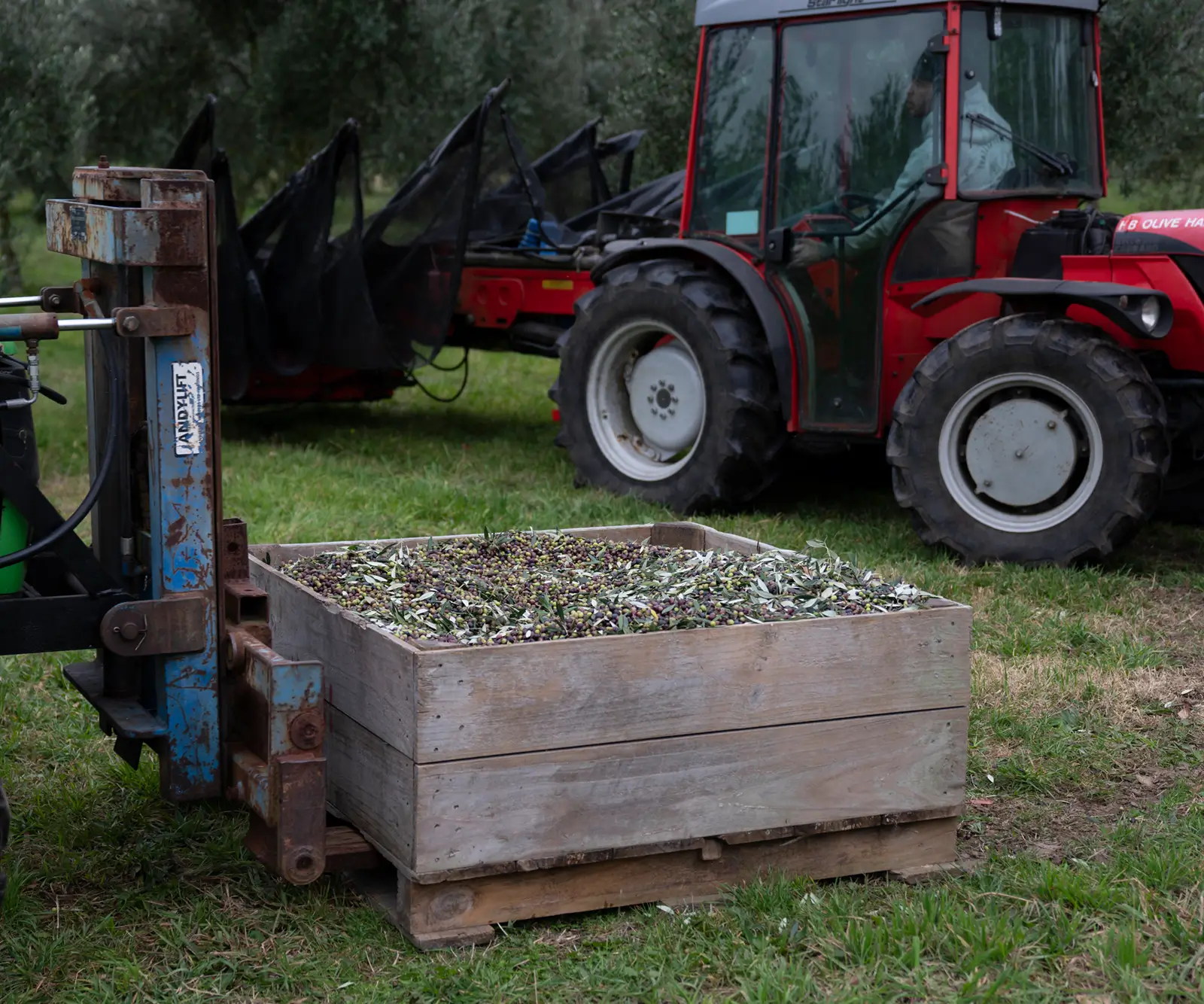
Many groves are family-owned and operated. Growers are passionate about olive oil but do not depend on it as their sole livelihood. They manage their groves themselves, contracting out the harvesting and pressing of olives, then selling their oil directly to consumers online, through markets, or to restaurants and specialty stores. Larger brands rely on commercial growers to supply fruit or certified EVOO to meet demand. A few brands have entered the supermarket sector, but without large volumes of New Zealand EVOO it is difficult to guarantee a consistent supply.
Across New Zealand, dormant groves represent an opportunity. Often small and underutilised due to lack of knowledge or perceived low returns, these groves could help meet growing demand for NZ EVOO. Revitalising them offers a path toward greater sustainability and industry resilience.
Industry Snapshot
Production
Areas:
Northland, Auckland, Waiheke Island, Hawke’s Bay, Wairarapa, Kapiti, Nelson, Marlborough, Canterbury, and Central Otago
Harvest
Season:
March – July
Production
Volumes:
150,000–250,000 litres depending on the season
Number of Groves:
Approx. 300, mainly between 500–1,500 trees
Productive
Trees:
Approximately 300,000
Annual Consumption:
New Zealand consumes approximately 4 million litres of olive oil annually
Olive
Varieties:
Most common—Frantoio, Leccino, Koroneiki, and Barnea